
Political Action Committees (PACs): Organization, Funding, and Party Affiliations in the United States
Introduction: Why Political Action Committees Matter
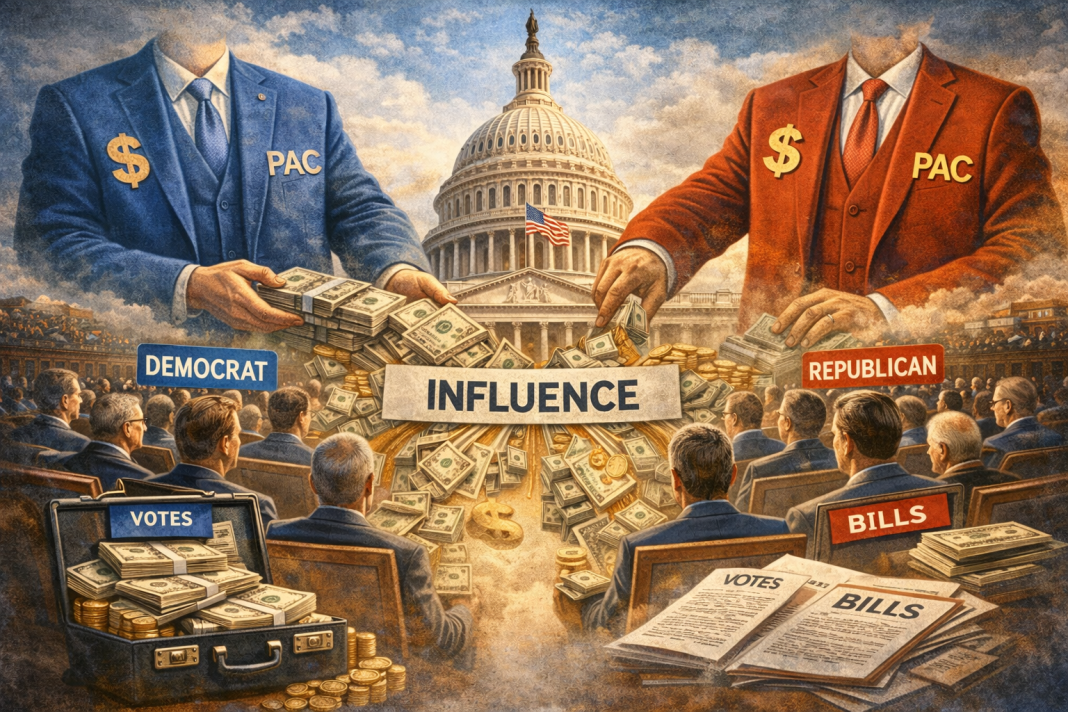
Money plays a central role in American elections, and Political Action Committees—commonly known as PACs—are among the most influential financial actors in the political system. PACs shape congressional campaigns, influence policy debates, and help define party priorities by directing millions of dollars toward candidates and causes.
Understanding how PACs are organized, how they raise and spend money, and how they align with political parties is essential for voters, journalists, and policymakers alike. While PACs operate under federal law and oversight, their diversity and complexity often lead to confusion about who funds them and what interests they represent.
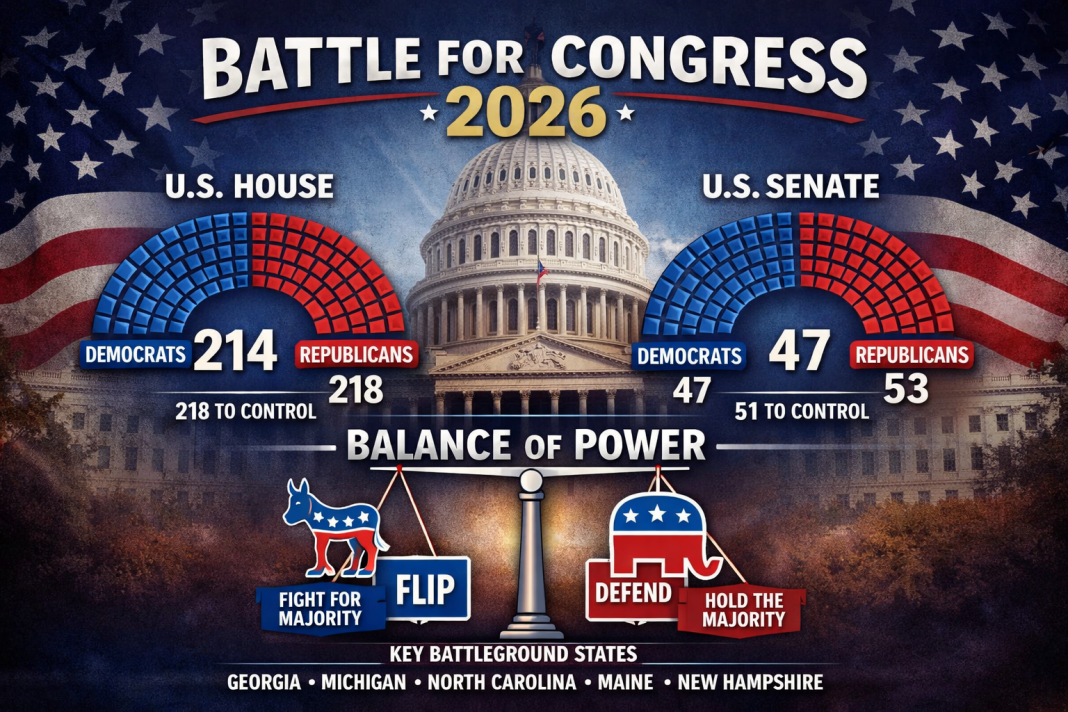
In 2026, as congressional elections intensify and campaign spending continues to rise, PACs remain a cornerstone of modern political finance.
What Is a Political Action Committee?
A Political Action Committee is an organization that raises and spends money to influence federal, state, or local elections. At the federal level, PACs are regulated by the Federal Election Commission, which enforces campaign finance laws and disclosure requirements.
PACs exist to:
- Support or oppose political candidates
- Advocate for specific policy positions
- Represent the interests of industries, labor groups, or ideological movements
While PACs cannot donate directly to political parties in unlimited amounts, they play a major role in shaping which candidates gain financial viability.
Types of Political Action Committees
PACs fall into several distinct categories, each with different rules and purposes.
Connected PACs
Connected PACs are affiliated with a sponsoring organization such as:
- Corporations
- Labor unions
- Trade associations
- Membership organizations
These PACs can solicit contributions only from individuals associated with the sponsor, such as employees or members. While the sponsoring organization may cover administrative costs, it cannot directly contribute corporate or union treasury funds to federal candidates.
Nonconnected PACs
Nonconnected PACs are not formally affiliated with any specific organization. They often represent ideological causes or policy goals, such as environmental protection, gun rights, or healthcare reform. These PACs can solicit contributions from the general public, subject to legal limits.
Leadership PACs
Leadership PACs are established by elected officials or political leaders. While they cannot be used for the official’s own campaign, they allow officeholders to:
- Support other candidates
- Build political alliances
- Increase influence within their party
Leadership PACs are common among members of Congress seeking leadership positions.
Super PACs (Independent Expenditure Committees)
Super PACs emerged following court decisions that allowed unlimited independent political spending. Unlike traditional PACs, Super PACs:
- May raise unlimited funds from individuals, corporations, and unions
- Cannot donate directly to candidates
- Must operate independently of campaigns
Super PACs often fund advertising campaigns that strongly support or oppose specific candidates.
How PACs Raise Money
PAC funding comes from a variety of sources, depending on the PAC’s structure and legal classification.
Individual Contributions
Most PACs rely heavily on individual donors. Federal law limits how much one individual can contribute to a PAC per year, but these limits vary depending on the PAC type.
Corporate and Union Support
While corporations and unions cannot directly fund federal candidates, they may:
- Establish connected PACs
- Encourage voluntary employee or member contributions
- Provide administrative support
Super PACs, by contrast, may accept corporate and union funds directly, provided spending remains independent.
High-Dollar Donors
Wealthy individuals play a significant role in Super PAC financing. These donors may contribute millions of dollars, amplifying their political influence while remaining legally separate from candidate campaigns.
Fundraising Events and Digital Campaigns
PACs increasingly use:
- Fundraising dinners and receptions
- Email and text campaigns
- Social media advertising
Digital fundraising has expanded PAC reach and reduced reliance on traditional donor networks.
How PACs Spend Money
PAC expenditures generally fall into two categories: direct contributions and independent expenditures.
Direct Contributions to Candidates
Traditional PACs may donate directly to federal candidates, subject to contribution limits per election cycle. These contributions often signal:
- Endorsement of a candidate’s policy positions
- Support from a particular industry or constituency
Candidates frequently cite PAC endorsements as evidence of credibility or alignment with key groups.
Independent Expenditures
Independent expenditures include advertising, mailers, and digital content that advocate for or against candidates without coordinating with campaigns. Super PACs primarily engage in this type of spending.
These expenditures can significantly influence voter perceptions, especially in competitive congressional races.
Party Affiliation and Alignment
Although PACs are legally independent organizations, most align closely with one of the two major political parties.
Democratic-Aligned PACs
PACs aligned with the Democratic Party typically support candidates who emphasize:
- Expanded healthcare access
- Labor rights and minimum wage policies
- Environmental regulation
- Social equity initiatives
These PACs often receive support from labor unions, progressive advocacy groups, and issue-based organizations.
Republican-Aligned PACs
Republican-aligned PACs generally back candidates focused on:
- Lower taxes and reduced regulation
- Business and industry growth
- National defense and border security
- Limited government intervention
Funding often comes from business groups, trade associations, and conservative advocacy organizations.
Bipartisan and Issue-Focused PACs
Some PACs contribute to candidates from both parties, depending on policy alignment rather than party affiliation. These PACs are often associated with:
- Industry-specific interests
- Professional associations
- Narrow legislative priorities
Bipartisan giving can increase access to lawmakers regardless of which party holds power.
Oversight, Transparency, and Disclosure
PACs are subject to reporting requirements enforced by the Federal Election Commission. These disclosures include:
- Donor names and contribution amounts
- Expenditures and recipients
- Purpose of spending
This data is publicly available, allowing journalists and citizens to track political money flows. However, critics argue that complex structures and nonprofit affiliations can obscure the true sources of political spending.
Controversies and Public Debate
PACs remain one of the most debated aspects of American democracy.
Supporters Argue:
- PACs amplify political participation
- They allow groups to pool resources and advocate collectively
- Disclosure rules promote transparency
Critics Argue:
- PACs give disproportionate influence to wealthy donors
- They increase the cost of running for office
- They contribute to political polarization
These debates continue to shape proposed campaign finance reforms in Congress.
The Role of Congress in Regulating PACs
Congress has authority over campaign finance law and periodically considers reforms affecting PAC operations. Legislative proposals often address:
- Contribution limits
- Disclosure requirements
- Coordination rules
Any changes to PAC regulation carry significant implications for elections and political competition.
Conclusion: PACs as a Permanent Feature of U.S. Politics
Political Action Committees are deeply embedded in the U.S. political system. Through structured fundraising, targeted spending, and strategic party alignment, PACs influence who runs for office, who wins elections, and which policies gain traction in Congress.
While opinions differ on their impact, PACs are unlikely to disappear. Understanding how they operate—who funds them, how they spend money, and where they align politically—remains essential for evaluating the modern democratic process.
As campaign finance continues to evolve, PACs will remain central players in shaping the future of congressional politics.
PAC Comparison Table: Types, Funding Rules, and Political Role
| PAC Type | Who Can Fund It | Contribution Limits | Can Donate Directly to Candidates? | Primary Role |
|---|---|---|---|---|
| Connected PAC | Individuals associated with a corporation, union, or trade group | Yes (per federal limits) | ✅ Yes | Represent interests of a specific organization |
| Nonconnected PAC | General public donors | Yes (per federal limits) | ✅ Yes | Advocate for ideological or issue-based causes |
| Leadership PAC | Individual donors | Yes (per federal limits) | ✅ Yes (not to sponsor) | Build influence and party leadership |
| Super PAC (Independent Expenditure Only) | Individuals, corporations, unions | ❌ No limits | ❌ No | Fund independent ads for/against candidates |
| Hybrid PAC (Carey Committee) | Individuals + unlimited donors (separate accounts) | Mixed | ✅ Limited / ❌ Unlimited | Combine traditional and Super PAC functions |
Oversight Authority:
All federal PACs are regulated by the Federal Election Commission, which enforces disclosure, contribution limits, and coordination rules.
Major PACs by Party Alignment
🔵 Democratic-Aligned PACs
- ActBlue
Industry: Political fundraising
Focus: Small-dollar donor aggregation for Democratic candidates - Democracy PAC
Industry: Political advocacy
Focus: Electing Democratic federal candidates - EMILY’s List
Industry: Advocacy / gender equity
Focus: Pro-choice Democratic women candidates - League of Conservation Voters Action Fund
Industry: Environmental policy
Focus: Climate and conservation legislation
🔴 Republican-Aligned PACs
- Club for Growth Action
Industry: Fiscal conservatism
Focus: Low taxes, limited government - Congressional Leadership Fund
Industry: Party leadership
Focus: Electing House Republicans - Senate Leadership Fund
Industry: Party leadership
Focus: Senate Republican majorities - National Rifle Association Political Victory Fund
Industry: Second Amendment advocacy
Focus: Gun rights legislation
🟣 Bipartisan / Issue-Focused PACs
- U.S. Chamber of Commerce
Industry: Business and commerce
Focus: Pro-business policy across parties - AIPAC
Industry: Foreign policy
Focus: U.S.–Israel relations (bipartisan giving) - No Labels
Industry: Bipartisan governance
Focus: Moderation and cross-party cooperation
Major PACs by Industry or Sector
🏥 Healthcare & Pharmaceuticals
- Pharmaceutical Research and Manufacturers of America
- American Medical Association PAC
💼 Finance, Banking & Insurance
- American Bankers Association PAC
- National Association of Realtors Political Action Committee
🏭 Energy & Natural Resources
- American Petroleum Institute
- Clean Energy for America
🏗️ Labor Unions
- AFL-CIO COPE
- Service Employees International Union
🛡️ Defense & Aerospace
- National Defense Industrial Association
- Lockheed Martin PAC
Why This Matters for Congressional Coverage
PAC alignment and funding patterns:
- Influence which candidates are viable
- Shape committee priorities and legislation
- Affect public trust in Congress
- Drive election competitiveness at the district level
For voters and readers, PAC transparency helps connect money → influence → policy outcomes.